Host Christmas: A Handwritten Font for Authentic Web Design
The cursor hovered over the hero section of a new landing page for a creative boutique’s website. The client wanted warmth and personality, something that felt less corporate and more welcoming. After testing a handful of modern script fonts, I imported Host Christmas into the Figma file. In that instant, the static headline—“Welcome to Our Creative Studio”—was transformed. The font didn’t just render the text; it infused the layout with a sense of friendly, human touch. That first impression on a screen was decisive, and it set the tone for the entire project.
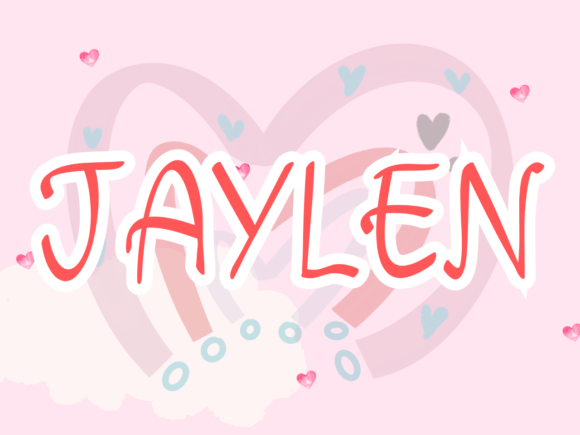
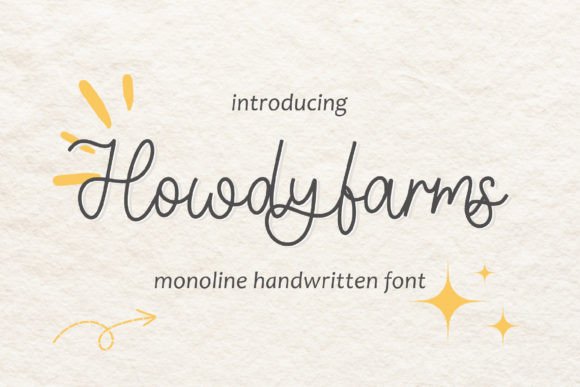
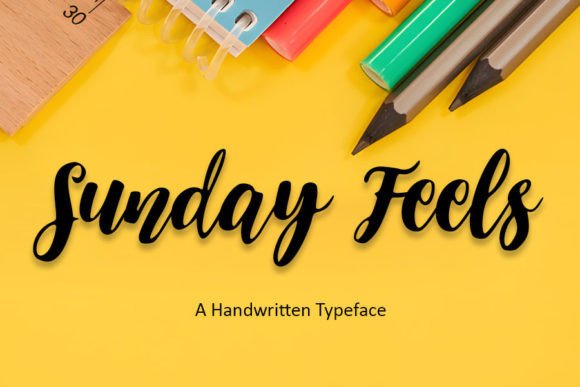
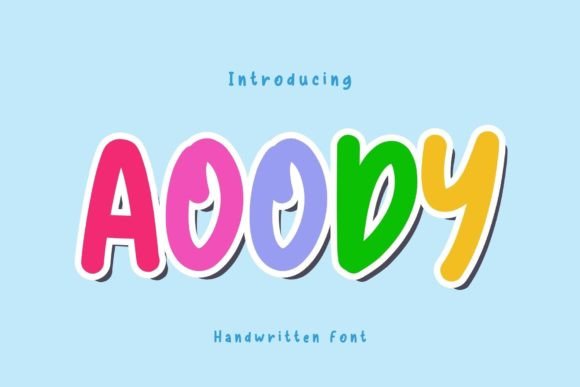
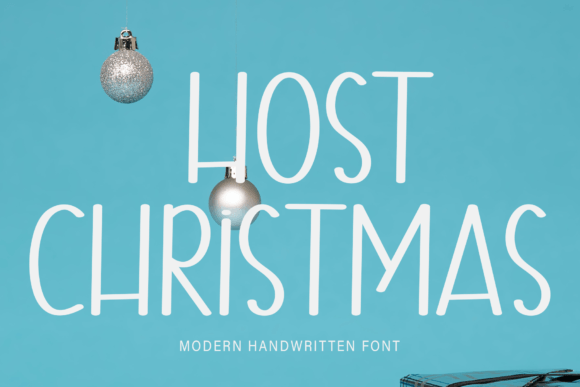
Host Christmas is a script font that genuinely lives up to its description: fun and friendly. Its handwriting style is loose and organic, with a slightly playful bounce in its baseline that feels effortless rather than overly stylized. The characters have a natural, slightly varied weight that mimics genuine penmanship, avoiding the rigid uniformity of some digital handwritten fonts. This gives it a distinct visual personality that leans towards approachable and creative, ideal for brands looking to convey authenticity and a personal connection. In digital spaces, where coldness can be a default, this typeface offers a warm counterpoint.
Bringing Personality to Digital Layouts
In web design, typography is the silent ambassador of your brand. Host Christmas excels as a display font for key moments where emotion and connection are paramount. On a landing page for a coaching or wellness website, using Host Christmas for the primary headline can immediately soften the visitor’s entry point, suggesting a personal journey rather than a transactional service. For an online store selling handmade goods or boutique items, this font applied to section headers—like “Our Story” or “Handcrafted Collections”—can visually communicate the care behind the products.
I’ve tested it in several realistic web contexts. On a portfolio homepage for a photographer, “Capturing Your Story” in Host Christmas overlaid on a dark hero image created an inviting, editorial feel. For a digital course sales page, using the font for the main benefit statements (“Learn at Your Own Pace”) helped break away from the often-clinical tone of educational marketing. Its charm isn’t limited to large displays; it also works beautifully as an accent in blog post graphics, email header images, or as a stylistic element in sidebar callouts, adding a consistent thread of brand personality across the site.
Balancing Charm with Web Usability
Readability on the web, especially across devices, is non-negotiable. Host Christmas, being a decorative script font, performs best when used for short, impactful phrases. Its organic nature means it’s not intended for long body copy, small navigation labels, or form field instructions. The optimal use is in hero titles, section headings, prominent call-to-action buttons, and featured quotes where size and spacing can be controlled.
For responsive layouts, careful attention to size and line height is key. On mobile, I recommend using Host Christmas at a slightly larger point size than you might for a cleaner sans-serif to ensure its details remain legible on smaller screens. Testing it over both dark and light backgrounds is also crucial; its medium weight holds up well, but adding a subtle shadow or ensuring a strong contrast with the background color prevents it from feeling washed out. It’s a font that benefits from generous whitespace, allowing its friendly character to breathe without competing with other dense interface elements.
Strategic Pairings for a Cohesive Digital Identity
No single font should carry an entire website’s typographic load. For body text, navigation, and any longer reading material, pairing Host Christmas with a clean, highly readable sans-serif font is essential. A geometric sans like Inter or a neutral typeface like Open Sans creates a perfect balance: the script font provides the personality and emotional hook, while the sans-serif ensures clarity and usability for the core content. This pairing establishes a clear visual hierarchy, guiding the user naturally from the engaging display text to the informative body copy.
For a more editorial or classic digital brand, pairing Host Christmas with a simple serif font for body text can also work beautifully, lending a touch of traditional craftsmanship to the modern handwritten style. The key is to let Host Christmas play its primary role as a highlight, not the foundation. This approach maintains both brand warmth and professional credibility.
Practical Considerations for Web Implementation
Before committing to Host Christmas for a live website or client project, a few technical and licensing checks are prudent. First, confirm the font package includes the file formats you need. For web use, you’ll typically need the WOFF or WOFF2 formats for optimal performance and browser compatibility. Many font distributors provide these webfont files, but it’s worth verifying. Also, check for any included alternates or ligatures; these can add extra stylistic flourishes for unique words or logos, enhancing the custom feel of your design.
Multilingual support is another consideration if your website or client’s audience is international. While many decorative fonts focus on basic Latin character sets, knowing the extent of Host Christmas’s language coverage helps avoid unexpected gaps in rendering. Finally, and most importantly for commercial use, review the font’s licensing terms. Ensure the license covers web embedding for the intended number of domains or pageviews, especially if you’re designing for a client’s online store, a high-traffic landing page, or a subscription-based service. Proper licensing protects your work and your client’s business.
Where Host Christmas Shines and Where to Be Cautious
The strength of Host Christmas lies in its ability to humanize digital interfaces. It’s a superb choice for:
- Hero sections and primary landing page headlines.
- Branded call-to-action buttons for a personal touch (“Join Us”, “Start Your Journey”).
- Section titles on portfolio, creative business, or coaching websites.
- Featured quotes or testimonials displayed prominently.
- Graphic headers for blog posts or email newsletters.
- Logo text for brands with a handmade, artistic, or personal ethos.
Conversely, there are areas where I’d avoid using this font. Due to its decorative nature, it is not suitable for:
- Long paragraphs of body text, which would become difficult to scan.
- Small footer text, legal disclaimers, or dense policy pages.
- Form labels, input fields, or any critical user interface elements requiring utmost clarity.
- Data-heavy dashboard interfaces or technical application layouts.
- Any text that must prioritize accessibility and fast readability above stylistic expression.
Ultimately, Host Christmas is a delightful tool in the web designer’s toolkit. It’s not a font for every project, but for those digital experiences where building a genuine, friendly connection is central to the brand’s goals, it offers a perfect typographic voice. It brings the warmth of a handwritten note into the structured world of pixels and layouts, reminding us that even in digital design, personality matters. When paired thoughtfully and applied with an awareness of web usability, it can transform a standard layout into an inviting, memorable online space.